 POD Back
Guide
Rate confirmation: what a broker's rate con should contain
What a freight broker's rate confirmation contains, why each field matters to billing later, and how to keep rate cons clean so PODs and invoices match.
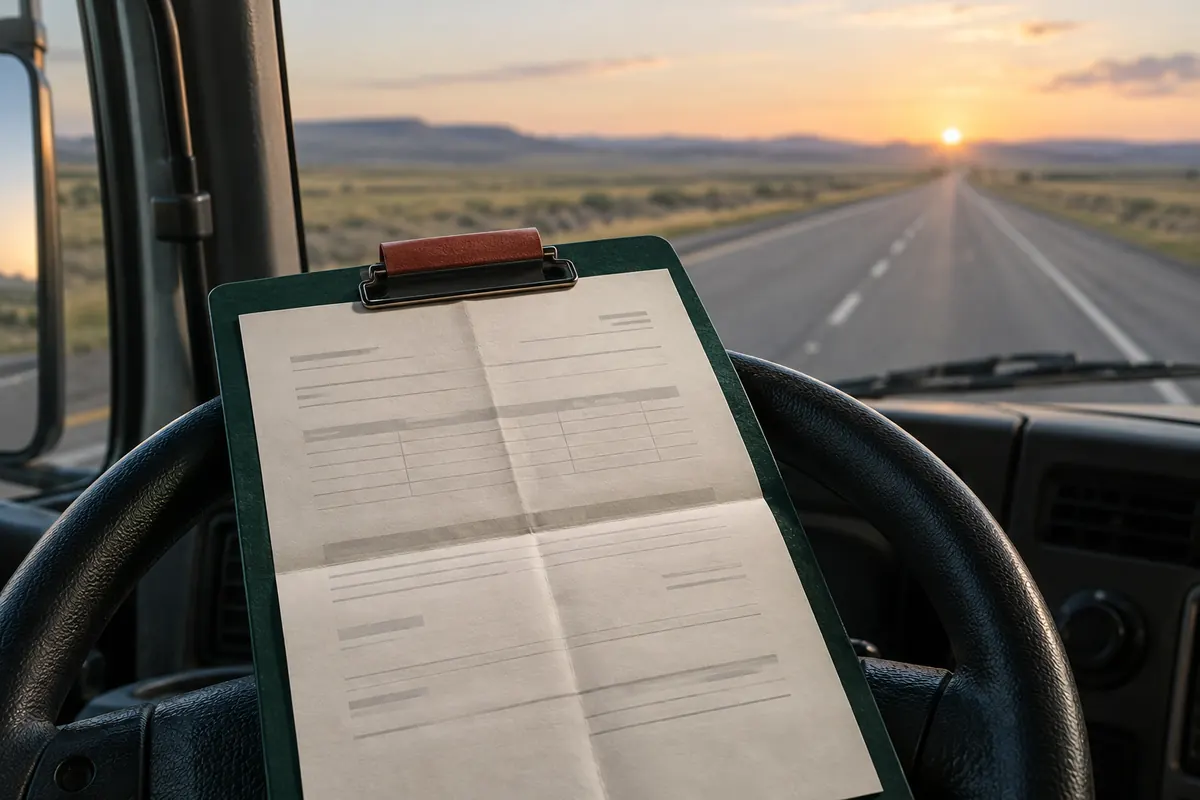
A rate confirmation, or rate con, is the document a freight broker sends a carrier to confirm one load: who is hauling it, from where to where, when, and for how much. The carrier signs it and sends it back before the truck rolls. It is often treated as an operations form, but most of what billing needs at the end of the load comes from it. A clean rate con makes the POD easy to match, the carrier's invoice easy to check, and disputes easy to settle.
This guide covers what a rate con usually contains, why each part matters later, and the habits that keep them useful. It is written for the people who send and use rate cons at a brokerage. It is not legal advice: a rate con is a contract document, and its terms are set by your broker-carrier agreement and your own counsel.
What a rate con usually contains
Rate cons vary by brokerage and TMS, but most include the same core fields.
| Field | What it is | Why billing cares later |
|---|---|---|
| Load number | The broker's own number for this load | The key that ties the POD, the carrier's invoice and the shipper's invoice together |
| Broker name and MC number | Who is booking the load | How the carrier knows who to send paperwork to |
| Carrier name and MC number | Who is hauling it | Matching the carrier's invoice to the right company |
| Carrier dispatch contact | Name, phone and email of the person who booked it | Who to ask when the POD does not arrive |
| Pickup and delivery | Addresses, dates, and appointment times | When to expect the POD, and the date it should show |
| Reference numbers | PO, BOL, pickup and delivery numbers | What appears on the POD and what the shipper needs on the invoice |
| Equipment and commodity | Trailer type, weight, what is being hauled | Settling claims about what was loaded |
| Rate | Line haul and any agreed accessorials | Checking the carrier's invoice before paying it |
| Payment terms | When and how the carrier is paid, quick pay options | Paying on time, or through the carrier's factor |
| Paperwork instructions | What the carrier must send, and where | Whether the POD comes back to the right inbox |
| Terms | Detention, layover, TONU, and other conditions | Resolving accessorial disputes |
Why the rate con matters to billing
Three jobs at the end of a load depend on it.
Matching the POD. A POD with no reference you recognise cannot be matched. Putting the shipper's PO and BOL numbers on the rate con means the driver and dispatch know which numbers to look for, and those numbers are what billing will look for on the POD.
Checking the carrier's invoice. The carrier invoices against the rate con. Anything above it, such as detention or a lumper fee, should match an accessorial that was agreed and documented.
Settling disputes. When a shipper short-pays, or a carrier claims detention, the conversation starts with what the rate con said.
Keep rate cons clean
A few habits make every later step easier:
- One load number, everywhere. Use the same number on the rate con, in the subject of the email that sends it, and in every follow-up.
- The dispatch email, not a general inbox. Ask carriers for the address of the person who handles their paperwork, and put it on the rate con. A POD request sent to an unmonitored inbox goes nowhere.
- Every reference the shipper uses. If the shipper needs a PO on the invoice, put it on the rate con so it ends up on the BOL.
- Clear paperwork instructions. Say what you need back (the signed POD, every page) and how to send it.
- A revised rate con for every change. When the rate, dates or stops change, send a new version and keep it. Billing should work from the latest one.
- Keep the signed copy. Store the carrier-signed rate con with the load, next to the POD.
Rate con vs. bill of lading vs. POD
These three get mixed up, especially by new hires:
- The rate confirmation is between the broker and the carrier. It sets the carrier's pay and terms for the load.
- The bill of lading is the shipping document that travels with the freight, issued at pickup.
- The proof of delivery is the signed record that the freight arrived, often the bill of lading signed by the receiver. The POD document guide covers what it must show.
A carrier sometimes sends your rate con back when you asked for the POD. It is an easy mistake: both are PDFs about the same load. Check the document type before you bill.
Using rate cons to get PODs back
Because the rate con already holds the load number, the carrier, the dispatch email and the delivery date, it is everything you need to ask for the POD at the right time. POD Back reads them for you: upload the rate cons you already send, and it reads the load number, carrier, dispatch email, lane and delivery date from each one, then emails dispatch for the signed POD after delivery. It checks that the load number and dispatch email it read are in the document's text, and flags any rate con that fails a check as "Check this load", so no carrier is emailed until you have confirmed the details.
For the rest of the routine, see POD collection.
Get every signed POD back from your carriers, and bill sooner
Upload your rate confirmations or a delivered-loads CSV. After delivery POD Back emails the carrier's dispatch for the signed POD, follows up until it arrives, checks it, and sends billing a ready-to-invoice list.
$99/ month
Get startedCancel any time.